


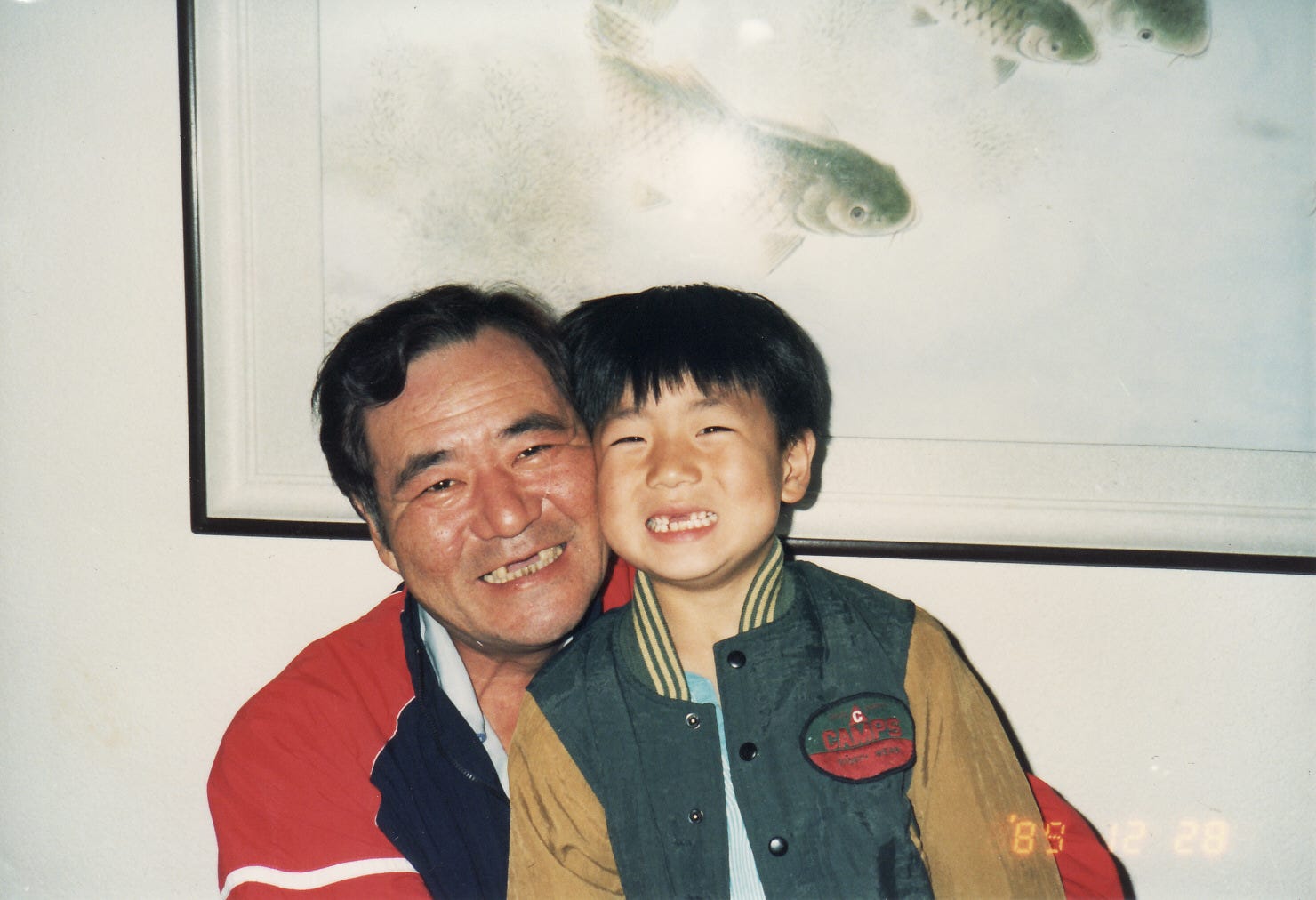
The days are survivable because I get distracted. I have calls. I have students. I have a schedule I hide inside of.
But at night, when the house goes quiet, that’s when it finds me.
Lights off. Nobody left to coach. Nothing left to answer. And my dad is everywhere in the room.
The memories come in a flood and I have no defense for it. Things he said to me. Things I never said back. Every moment I should have been a better son, and there are more of those than I want to count. So I break down.
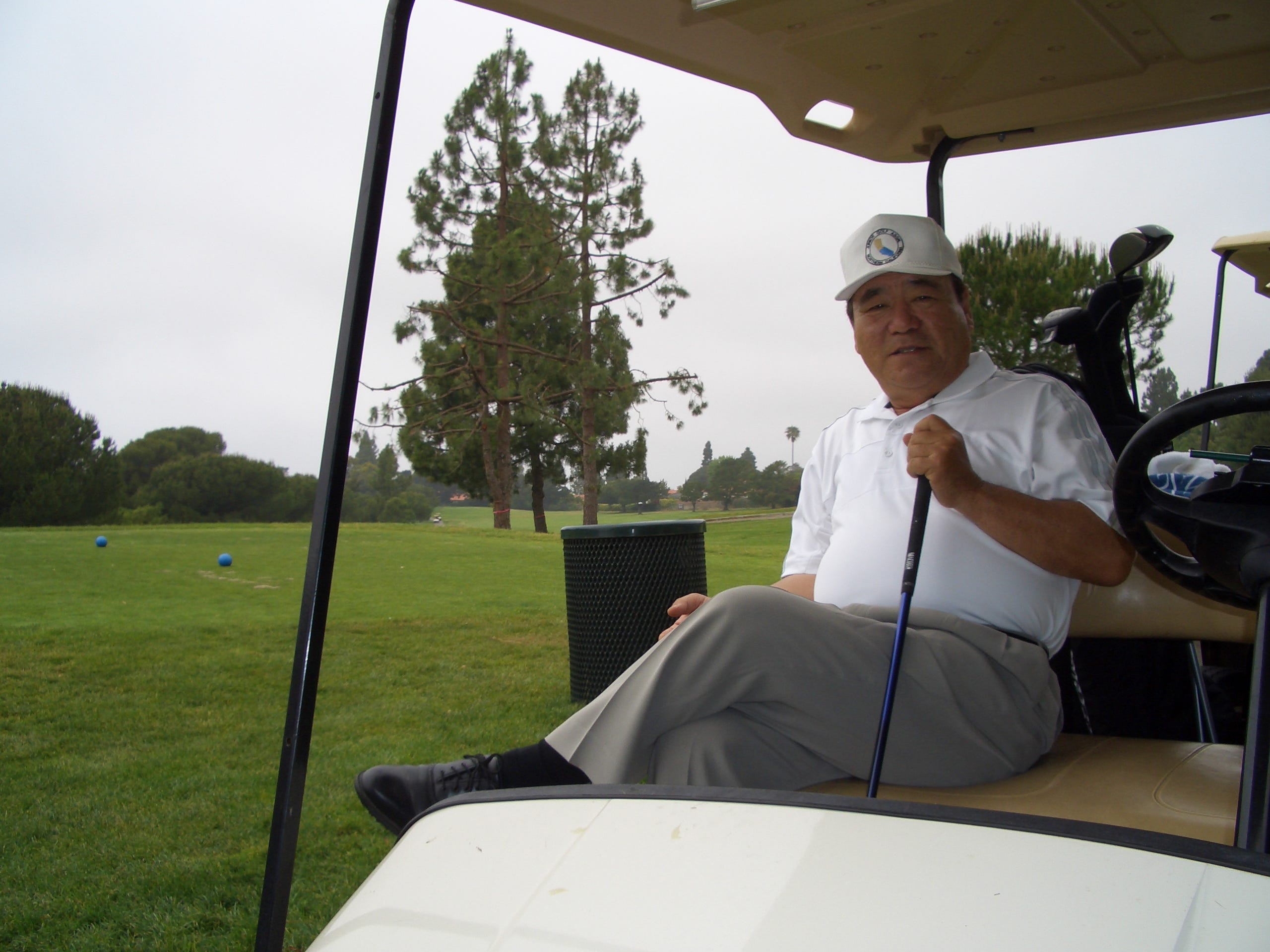
Losing a parent feels like the wind got knocked out of you… and it happens randomly… usually after the house goes dark.
On August 27 we will hold my father’s funeral. That date would have been his birthday. Daniel Park would have turned another year older. Instead we will stand in a room and start talking about him in the past tense.
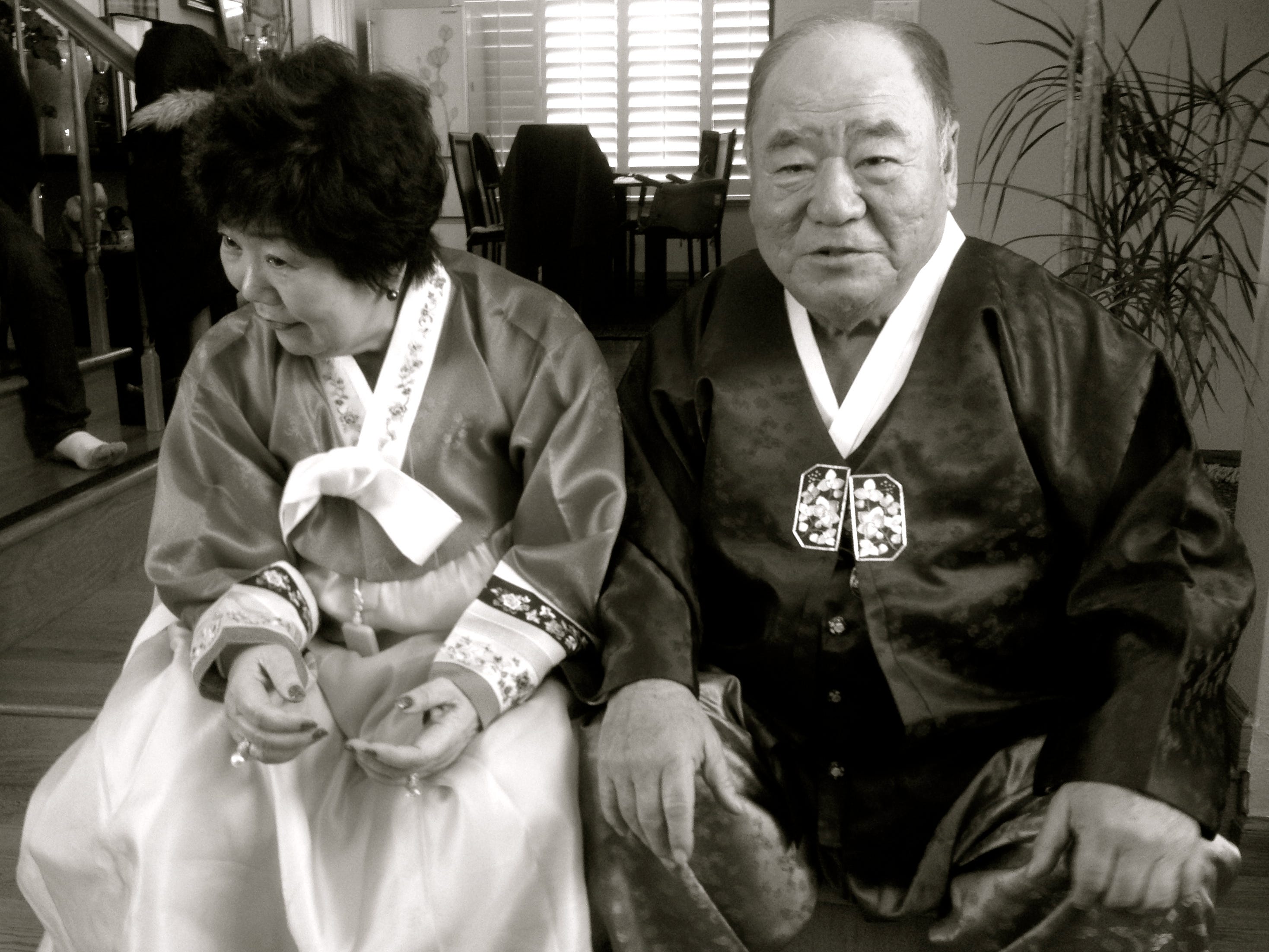
And I am the one giving the eulogy.
It is an honor. I know it is an honor. It is also the heaviest thing anyone has ever handed me. I open the document, get four or five sentences in, and the memories take the wheel. Then I close the laptop. How do you fit a father into ten minutes? How do you decide which stories make it and which ones die with you?
I do not have an answer yet. I have a deadline and a blank page.
The night we told our daughter
I thought the phone call from my mom was the hardest moment of this. It was not. The hardest moment was sitting our daughter down and telling her that her grandpa was gone. I have never heard her cry like that. Not crying. Wailing. Something came out of her body that I did not know a child had in them. She took it harder than I did, and I was already in pieces.
Then my wife did something I will carry for the rest of my life. She got down on the floor, level with our daughter’s face, and she said this:
“Our tears and our sadness are present because of the amount of love we had and we shared. It is okay to cry. It is okay to sometimes feel good and laugh. It is okay to feel sad. Just know that both of your grandpas are now angels who will be watching over you.”
She was talking to our daughter, but I know deep down inside she was also talking to me.
My wife has been the steadiest thing in this house. She cries with me instead of trying to fix me. She hands me her shoulder at midnight without asking what is wrong, because she already knows. And she keeps sending me clips from Anderson Cooper’s podcast, All There Is, which is a whole show about grief and the people we lose. Listening to a stranger describe your exact insides is a strange kind of relief.
I know my dad is in a good place. I believe that with everything I have.
I still miss him.
Grief does not move in a line
Here is where the sport psychologist in me shows up, because it helps me to understand the machinery even while I am inside it.
Most people think grief runs in stages. First this, then that, then acceptance, then you are done. Margaret Stroebe and Henk Schut blew that idea up in 1999 with what they called the Dual Process Model. What they found is that healthy grieving oscillates. You swing toward the loss, you feel it fully, you fall apart. Then you swing back toward life. You cook dinner. You go to work. You laugh at something dumb.
Both swings are the work. Neither one is avoidance.
Grief arrives in waves, and the people who recover best are the ones with coping flexibility. They let themselves feel it, and they also let themselves function. They do not force one mode all day.
This is why my wife’s words to our daughter were clinically perfect without her trying to be clinical. It is okay to cry. It is okay to laugh. She gave our ten-year-old permission to oscillate.
There is one more piece of research I keep coming back to. Matthew Lieberman at UCLA studied what happens in the brain when you put a feeling into words. He called it affect labeling. When people named the emotion they were having out loud, amygdala activity dropped (this is our emotional brain). Naming the feeling helps turn the volume down.
Not fixing it or solving it… Just Simply, naming it.
Which is why I am writing this instead of hiding it.
Your player is grieving something too
I coach parents of elite junior golfers. So let me connect this to your world, because grief does not only come from a casket.
There is something called, disenfranchised grief, which is a type of grief that nobody gives you permission to feel. The experience of loss is real and the pain is real… but the people around you might brush it off as nothing or something you shouldn’t feel. It goes something like this…
She missed the AJGA qualifier by one shot.
She loses the swing she had at fourteen and cannot find it at sixteen.
The offer from the school he dreamt about goes to somebody else.
The senior season she planned her whole life around ends on a Tuesday afternoon in a playoff.
And then an adult says something like this: “Don’t worry about it… it’s only golf.”
Seven words, and the grief that is felt gets buried. It doesn’t disappear, it simply .
3goes somewhere you cannot see it, which is where it does the real damage.
I have watched junior golfers carry a loss for two full seasons because nobody ever told them the loss was allowed to hurt. They came to me with what looked like a swing problem. It was a grief problem wearing a golf outfit.
What I would tell you as a parent
Let the wave come all the way in. When your player breaks down after a round, your instinct is to shorten it. To hand them a lesson, a plan, a silver lining. Resist that. The Dual Process research says the swing toward the loss is part of the healing, not a detour around it. Sit in the car. Say nothing. Let them get to the bottom of it. They will swing back on their own, and it will happen faster because you did not rush it.
Give the feeling a name and say it out loud. Lieberman’s work says naming lowers the intensity. So name it for them until they learn to name it themselves. “It sounds like you are grieving that qualifier. Is that what it feels like?” Watch what happens to their shoulders when somebody finally calls it what it is.
Never rank their loss against yours. You have buried people. They lost a tournament. You know the difference in magnitude, and telling them so accomplishes nothing except teaching them to hide. Disenfranchised loss is the one that lingers. Let their loss be big… it doesn’t need to compare to anything else.
Watch the quiet hours. Grief does not hit hardest in the middle of the tournament. It hits when the noise stops. For me it is after the house goes dark. For your player it might be the drive home, or Sunday night, or the first hour after the phone goes down. Kristin Neff’s self-compassion research shows the harshest self-talk shows up exactly in those unguarded windows. Be available then. Not with a speech. Just be in the room.
Before you close this
Somebody in your house is grieving something right now, and there is a decent chance you have already decided it does not qualify. A tournament. A team. A body that stopped cooperating. A version of themselves they cannot get back.
Ask them about it this week. Then stay quiet long enough for the real answer to come out.
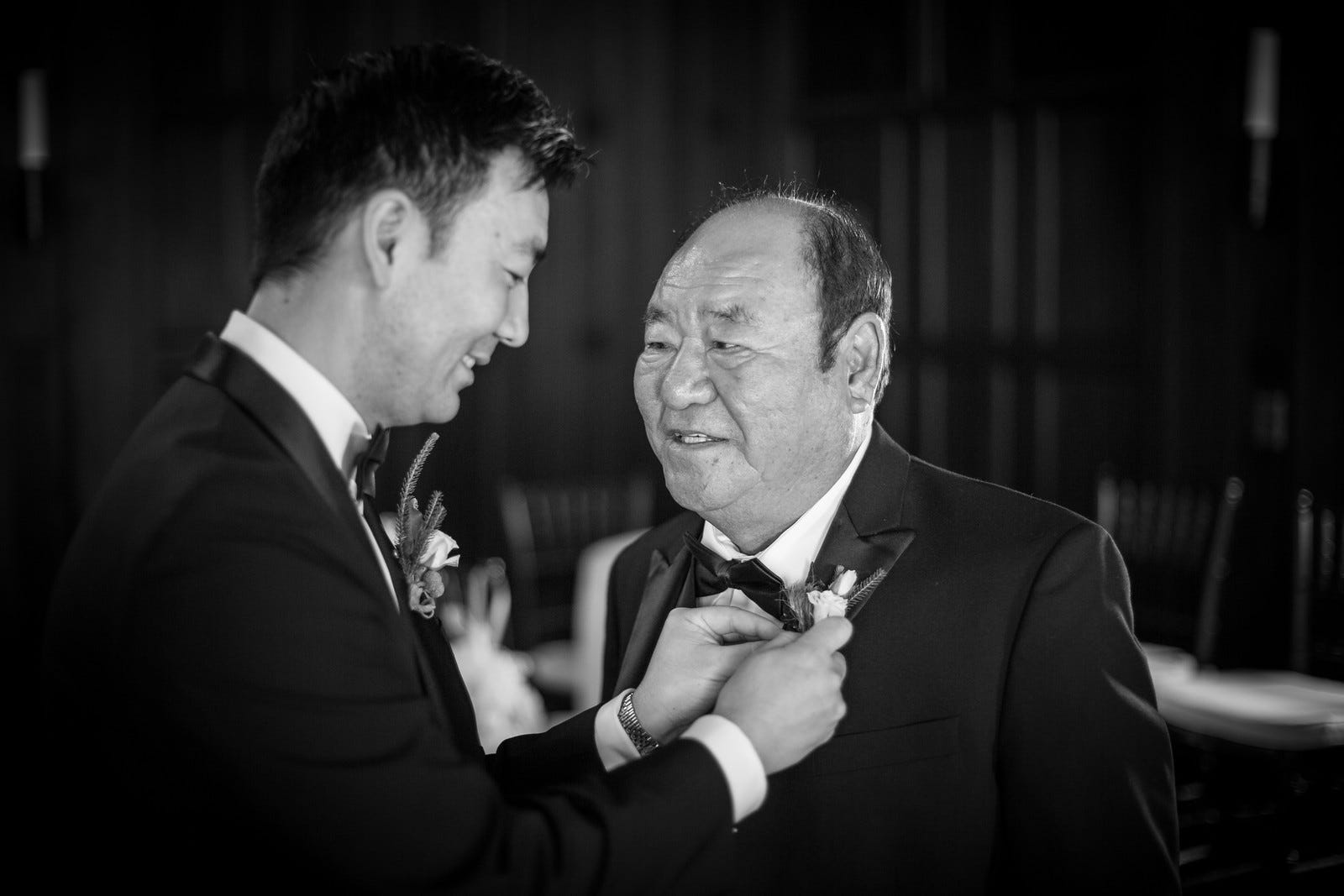
On the 27th I will stand up on my father’s birthday and try to say something worthy of him. I still do not know what I am going to say. I do know I will be a wreck, and I have made peace with that. The tears are proof of the love. My wife told our daughter that, and she was right.
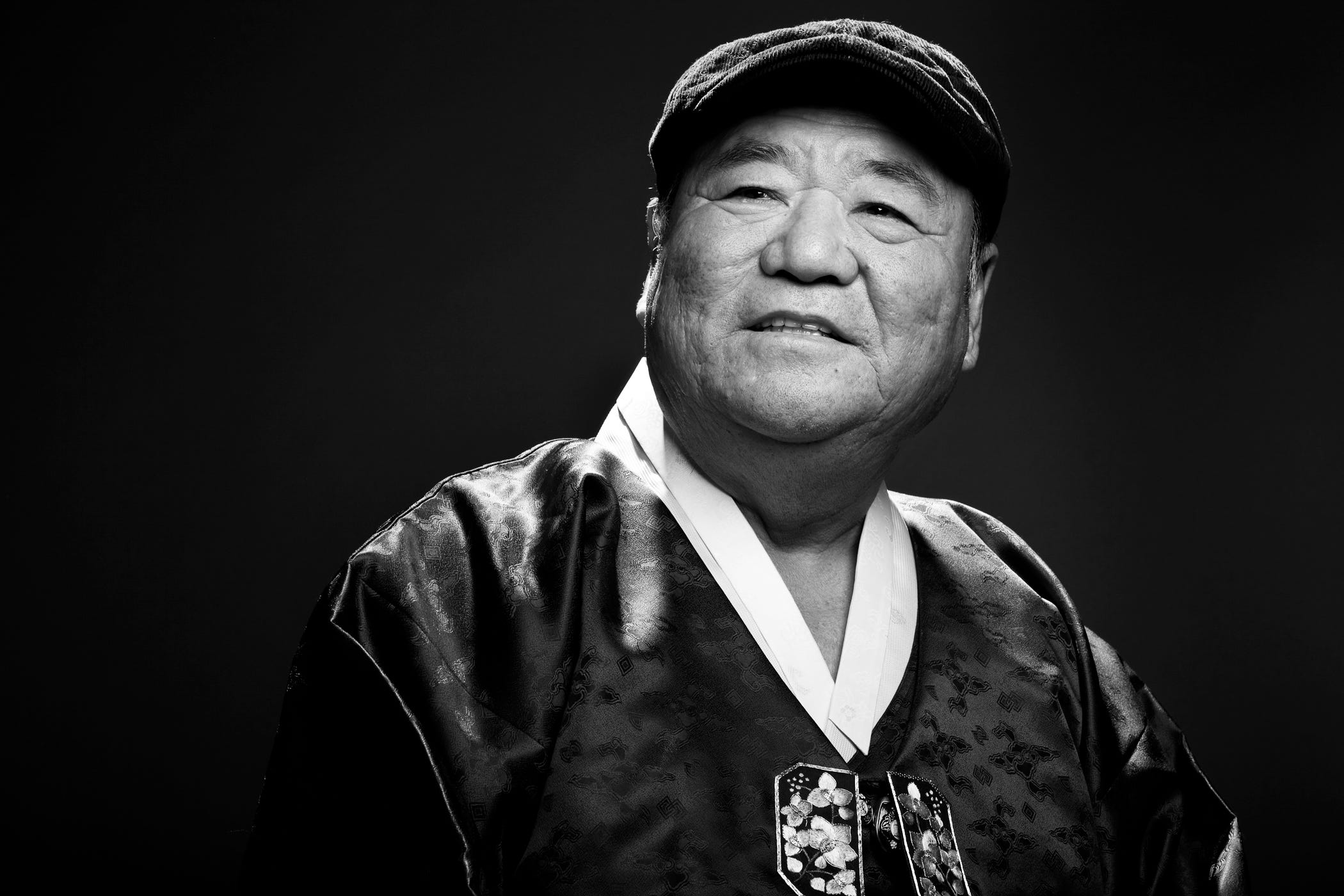
Daniel Park
August 27, 1937 - August 13, 2026
Your Mental Coach,
Dr. Mat
Dr. Mat Park is a sport psychologist and mental performance coach, and the founder of the Mental Performance Golf Academy (MPGA). He is the author of ONE: A Spiritual Playbook for the Mental Game of Golf and the co-host of the Mind Your Game podcast alongside LPGA Tour winner Cydney Clanton. He works with elite junior golfers, collegiate athletes, and the parents who drive them everywhere.
18 Holes with Dr. Mat arrives every Wednesday. It is written for parents of elite junior golfers who want to understand what is happening between their player’s ears, blending sport psychology research, faith, and the honest stuff most golf newsletters skip.
If this one landed, read the other articles by subscribing below. Forward this to the parent you know who is carrying something heavy right now.